
- All
- Product Name
- Product Keyword
- Product Model
- Product Summary
- Product Description
- Multi Field Search

Views: 0 Author: Site Editor Publish Time: 2025-10-28 Origin: Site


Lighting plays a crucial role in shaping the perception of a space, bringing attention to architectural features and enhancing overall aesthetics. Well-placed illumination can emphasize textures, highlight structural elements, and create depth, transforming ordinary walls, ceilings, and corners into visually engaging focal points. Dimmable linear lighting offers a versatile solution for achieving this effect, allowing users to adjust brightness levels to suit different moods and activities. By providing consistent, controllable light, these fixtures can accentuate details such as coves, niches, and moldings while maintaining a comfortable and balanced ambiance throughout the room.
Dimmable linear lighting refers to LED fixtures arranged in a continuous line that allow users to adjust brightness levels according to specific needs. Unlike standard fixed-output linear lights, dimmable systems offer precise control over illumination, making them ideal for both functional and decorative purposes.
One of the main advantages of dimmable linear lights is their flexibility. Users can create a variety of lighting effects, from bright, task-oriented illumination to soft, ambient lighting, depending on the mood or activity. This adjustability makes them perfect for highlighting architectural elements such as ceiling coves, wall niches, or textured surfaces, while also providing practical lighting when needed.
For architectural applications, maintaining consistent color temperature is essential to ensure that the highlighted features appear natural and aesthetically pleasing. High-quality dimmable linear lighting delivers flicker-free dimming across all brightness levels, avoiding visual discomfort or distortion of colors. This ensures that the space remains visually comfortable and that architectural details are showcased accurately, whether in homes, offices, or commercial spaces.
Strategic placement of dimmable linear lighting is crucial for effectively highlighting architectural details. Proper positioning ensures that features such as cornices, ceiling coves, wall niches, or textured surfaces are accentuated in a visually appealing and balanced way, enhancing the overall design of a room.
Placing linear lights along edges, recesses, or behind panels can create depth and shadow effects, adding dimension and sophistication. Cornices and coves benefit from indirect lighting, where the light reflects off the ceiling or walls to produce a soft, continuous glow. Wall niches or textured surfaces can be emphasized with linear fixtures placed directly above, below, or along the sides, drawing attention to their unique characteristics. This approach helps create focal points and elevates the aesthetic appeal of both modern and traditional spaces.
The height at which fixtures are installed affects the intensity, spread, and mood of the illumination. Higher placement provides broader, more diffused light, creating a gentle, ambient effect, while lower placement allows for concentrated accent lighting with sharper highlights. Adjusting the angle of the fixtures ensures shadows are cast intentionally, enhancing depth and texture. The distance between the light source and the architectural element also plays a key role, with closer placement generating greater contrast and stronger visual emphasis.
By thoughtfully considering placement, height, angles, and distance, dimmable linear lighting can transform ordinary architectural elements into striking focal points. Properly implemented, this lighting technique not only highlights design details but also adds elegance, warmth, and visual interest to any interior space.
Integrating dimmable linear lighting into architectural elements allows designers to create clean, modern, and visually cohesive spaces. When properly embedded into ceilings, walls, or furniture, linear lights become an almost invisible source of illumination, enhancing the room without disrupting the design aesthetic.
Linear lights can be recessed into ceiling coves, soffits, or wall channels, producing smooth, even illumination that highlights architectural features subtly. By embedding fixtures, you can achieve indirect lighting effects that reduce glare, soften shadows, and create a sense of depth. Wall-mounted linear lights can also accentuate vertical surfaces, niches, or textured panels, drawing attention to design details while maintaining a minimalist appearance.
Dimmable linear lighting can be incorporated into furniture pieces, such as under cabinets, shelves, or counters, to provide functional and ambient lighting simultaneously. This approach not only highlights the furniture’s form but also enhances task lighting in kitchens, workspaces, or display areas. Concealing the light source ensures the fixtures remain unobtrusive while delivering effective illumination.
Using hidden or diffused linear lights allows for soft, indirect illumination that enhances architectural features without creating harsh shadows. Indirect lighting can be used along coves, behind panels, or beneath shelving to create a floating effect, visually elevating the space. Dimmable capabilities enable precise control over intensity, helping to set the desired ambiance or highlight specific elements at different times of day.
By thoughtfully integrating dimmable linear lighting into ceilings, walls, and furniture, designers can enhance architectural details, maintain clean sightlines, and create versatile lighting schemes that balance functionality and aesthetic appeal.
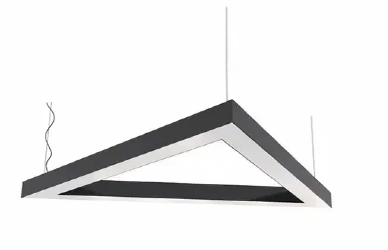
Dimmable linear lighting provides flexibility, energy efficiency, and aesthetic appeal, but improper installation or mismatched components can lead to common issues such as glare, uneven illumination, flickering, or unwanted shadows. Recognizing these challenges and understanding how to address them ensures optimal performance, visual comfort, and the long-term reliability of the lighting system.
One of the most frequent problems is glare, which occurs when light is too bright or directly visible from the fixture. This can cause eye strain, reduce the overall comfort of a space, and detract from the intended ambiance. To minimize glare, consider using diffusers, recessed installation, or indirect lighting techniques. Careful positioning of fixtures relative to sightlines, furniture, and reflective surfaces also helps reduce harsh reflections and creates a more visually comfortable environment.
Uneven illumination or unwanted shadows on walls, ceilings, or work surfaces can interfere with both aesthetics and functionality. To correct this, ensure fixtures are installed at consistent intervals, angles, and heights. Using multiple linear runs or adjusting fixture placement can create a uniform wash of light that accentuates architectural details without leaving dark spots or overexposed areas. Strategic layering of light also enhances depth and texture in interior design.
Flickering or inconsistent dimming is often caused by incompatible dimmers, low-quality drivers, or improper electrical setups. Selecting the correct dimmer type—such as 0–10V, DALI, PWM, or manufacturer-recommended systems—is essential for smooth, flicker-free operation. High-quality LED drivers help maintain consistent output across all brightness levels, preventing stress on the LEDs, reducing energy waste, and prolonging fixture life.
Always pair dimmable linear lights with compatible drivers and dimmers, following the manufacturer’s installation guidelines. Testing the system before final installation helps identify potential compatibility issues and prevents problems after the lights are operational. Regular maintenance, including checking electrical connections, cleaning fixtures, and inspecting drivers, ensures continued performance, extends the lifespan of the lighting system, and avoids common issues like flickering, uneven illumination, or glare. Proper planning, installation, and ongoing care make dimmable linear lighting a reliable and visually appealing solution for any space.
Yes, many dimmable linear lights are rated for outdoor or damp locations. When selecting fixtures for wet areas, look for IP-rated models that provide adequate protection against moisture and dust. Proper sealing and installation ensure durability while maintaining consistent dimming performance in challenging environments.
Flickering is often caused by incompatible dimmers or low-quality drivers. To prevent this, always use dimmers and drivers recommended by the manufacturer. Ensure proper wiring and avoid overloading circuits. Testing the system before installation can also help identify potential flicker issues.
Yes, a single dimmable linear lighting system can illuminate multiple architectural elements, such as coves, niches, or wall textures. Proper planning of fixture placement, length, and brightness levels is essential to achieve uniform illumination and highlight each feature effectively without creating shadows or uneven lighting.
For intricate layouts or high-end architectural applications, professional installation is highly recommended. Skilled installers can ensure proper alignment, secure mounting, correct dimmer and driver pairing, and compliance with electrical safety standards. This minimizes errors, reduces maintenance issues, and maximizes the performance of your dimmable linear lighting system.
Dimmable linear lighting provides a highly versatile and effective solution for highlighting architectural details, including coves, niches, textured walls, and ceilings. These lighting systems allow for adjustable brightness while maintaining consistent color quality and flicker-free illumination, enhancing the visual appeal of any interior or exterior space. Achieving optimal results requires careful planning of fixture placement, angles, distances, and dimming levels to ensure each feature is properly accentuated. For complex designs or high-end applications, professional installation is strongly recommended, as it ensures correct alignment, safe electrical connections, and seamless integration with the architectural elements. With proper planning and execution, dimmable linear lighting can transform a space, creating striking visual effects while providing long-lasting performance and flexibility.


