
- All
- Product Name
- Product Keyword
- Product Model
- Product Summary
- Product Description
- Multi Field Search

Views: 141 Author: Site Editor Publish Time: 2025-10-24 Origin: Site


Lighting technology has undergone a remarkable transformation over the past few decades, evolving from bulky, energy-hungry fluorescent fixtures to sleek and efficient LED linear lighting systems. Traditional lighting solutions offered limited control and often consumed more energy, while modern LED technology has revolutionized the way we illuminate spaces. Among the innovations, Dimmable Linear Lighting stands out as a major advancement, offering users the flexibility to adjust brightness levels according to specific needs and moods.
This evolution not only enhances energy efficiency but also allows for greater design freedom and ambiance customization. Whether in offices, retail stores, or residential interiors, dimmable LED linear lights provide precise control over illumination, helping create comfortable and visually appealing environments while reducing overall power consumption.
Dimmable LED linear lights are advanced lighting systems designed to provide users with flexible control over brightness levels, enabling them to create the perfect lighting ambiance for any space. Unlike standard linear lights that emit a fixed level of brightness, Dimmable Linear Lighting allows the illumination to be smoothly adjusted—from bright, task-oriented light to a soft, atmospheric glow—without sacrificing color accuracy or visual comfort. This flexibility makes them an increasingly popular choice in modern interiors such as offices, retail spaces, hotels, galleries, and residential settings where mood and functionality both matter.
Traditional linear fixtures, such as fluorescent tubes or non-dimmable LEDs, typically operate at one constant light intensity and often rely on manual switching for on/off control. Dimmable LED linear lights, on the other hand, integrate with advanced dimming technologies—such as 0-10V, DALI, TRIAC dimming systems, or smart wireless controls—allowing seamless, flicker-free brightness adjustments. This means users can fine-tune light levels for various activities, from concentrated work to relaxed evening settings, enhancing comfort and productivity.
One of the standout features of dimmable LED technology is its ability to lower brightness without affecting light quality, color temperature, or uniformity. Whether set at 100% or 10% brightness, the illumination remains stable and visually consistent. Additionally, dimming reduces energy consumption and extends the lifespan of the lighting system, making it both eco-friendly and cost-effective. In essence, dimmable LED linear lighting combines functionality, aesthetics, and efficiency—making it a cornerstone of modern architectural lighting design.
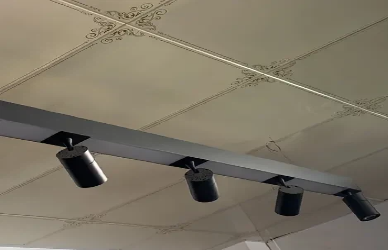
One of the most common techniques used in Dimmable Linear Lighting is Pulse-Width Modulation (PWM). This method controls brightness by rapidly switching the LED on and off at high frequencies—so fast that the human eye perceives it as a steady, continuous light. The duration of the “on” time versus “off” time in each cycle determines the perceived brightness. For example, if the light is on 80% of the time, it appears bright; if it’s on only 20%, it appears dimmer. PWM offers precise dimming control and maintains consistent color temperature, making it ideal for applications requiring smooth light transitions and accurate color rendering, such as galleries or retail environments.
Another widely used method in dimmable LED linear lighting systems is Constant Current Reduction (CCR). Instead of switching the LED on and off rapidly, CCR works by lowering the amount of electrical current supplied to the LEDs. Reducing the current decreases light output, allowing for gradual dimming. This approach is particularly beneficial for environments where flicker-free lighting is essential, such as offices, classrooms, or healthcare settings. While CCR ensures smooth and stable dimming, it must be carefully calibrated to prevent color shifting or efficiency loss at lower brightness levels.
Modern dimmable LED linear lights often incorporate smart dimming drivers, enabling advanced integration with intelligent control systems such as DALI, 0–10V, TRIAC, or Bluetooth. These drivers translate user input—whether from a wall switch, app, or centralized lighting control system—into precise voltage or current adjustments that determine light output. For example, a 0–10V system varies voltage signals to change brightness levels, while Bluetooth-enabled systems allow wireless control via smartphones or smart home platforms. DALI (Digital Addressable Lighting Interface) offers even more flexibility by allowing each fixture to be individually addressed and programmed, making it perfect for large commercial installations.
As Dimmable Linear Lighting continues to evolve, various dimming systems have been developed to cater to different applications and user preferences. Each dimming method offers unique advantages in terms of control precision, installation complexity, and compatibility with lighting environments. Below is an overview of the most common dimming systems used in modern LED linear lighting.
The 0–10V dimming system is one of the most widely used and cost-effective methods for controlling Dimmable Linear Lighting, especially in commercial and industrial spaces. It works by sending a low-voltage DC signal (ranging from 0 to 10 volts) from the dimmer to the LED driver. The voltage level determines the brightness—10V represents full brightness, while 0V corresponds to the minimum light level or complete off.
This analog method is valued for its simplicity, affordability, and compatibility with most LED fixtures. However, it typically requires separate wiring for control signals and power, which can increase installation complexity in larger projects. Despite this, its stability and ease of use make it ideal for offices, warehouses, and schools where consistent lighting performance is essential.
For projects that demand precise control and intelligent lighting management, DALI (Digital Addressable Lighting Interface) is the preferred system. Unlike analog dimming, DALI allows each fixture to be individually addressed, meaning users can program and control each Dimmable Linear Light independently or in groups. This makes it highly suitable for large-scale installations like corporate offices, hospitals, and retail spaces.
DALI operates through a two-way communication protocol, enabling feedback from the lights—such as status updates or fault reports. This digital precision ensures better energy efficiency, programmability, and customization, though it comes at a higher cost and requires more sophisticated setup. Nonetheless, DALI remains one of the most reliable and future-ready dimming systems for professional environments.
As smart technology becomes more prevalent, Wi-Fi and Bluetooth-based dimming systems are gaining popularity in both residential and commercial lighting. These systems allow users to control Dimmable Linear Lighting via smartphone apps, voice assistants, or centralized smart home systems.
Wireless dimming eliminates the need for additional wiring, simplifying installation and offering flexibility in control and placement. Users can easily create lighting scenes, automate schedules, or adjust brightness remotely. Smart dimming solutions are ideal for homes, restaurants, and modern office spaces that prioritize convenience, energy management, and aesthetic comfort.
Flickering or uneven brightness often occurs when the LED drivers and dimmers are incompatible. For instance, using a standard dimmer with a PWM-based driver or mixing drivers from different manufacturers can cause noticeable flicker or inconsistent light output, which can be distracting and uncomfortable.
Solution: Always check manufacturer specifications and compatibility guides before installation. Using certified LED fixtures and approved dimmers significantly reduces the risk of flickering, ensuring smooth and stable illumination.
A limited dimming range may result from using low-quality drivers, dimmers that do not support full-range dimming, or inferior LED components. This can restrict the ability to create soft, ambient lighting or precise task lighting.
Solution: Invest in high-quality, certified drivers and components specifically designed for dimmable applications. Products with wide dimming ranges and safety certifications (e.g., CE, UL) ensure full control over brightness levels.
Yes, dimmable LED linear lights can integrate with smart home platforms, DALI, or other advanced lighting control systems. However, older fixtures or non-certified drivers may not respond correctly, resulting in delayed adjustments, flickering, or loss of dimming functionality.
Solution: Select fixtures and drivers that are certified for your specific control system. Check manufacturer-provided compatibility lists to ensure smooth operation and reliable integration with your smart lighting network.
Improper dimming or mismatched components can lead to overheating in the drivers or LEDs, particularly in high-density linear arrays. This can reduce the overall lifespan of your lighting system.
Solution: Ensure proper installation with adequate ventilation, use drivers rated for your total system load, and choose dimmers that are compatible with your fixtures. Drivers with built-in thermal protection further help prevent overheating and maintain longevity.
Smooth dimming requires careful selection of compatible dimmers and high-quality LED drivers. Testing the system before final installation helps identify potential issues early. Regular maintenance, such as checking connections and keeping fixtures clean, also ensures consistent performance. Following these steps provides reliable, flicker-free operation and extends the life of your lighting system.
Dimmable Linear Lighting is transforming modern lighting by offering energy efficiency, enhanced comfort, and design flexibility. These systems allow users to adjust brightness levels precisely, creating the perfect ambiance while reducing energy consumption. Choosing high-quality dimmable LED linear lights, such as those provided by Superlightings, ensures reliable performance, smooth dimming, and long-term value. Investing in advanced dimmable systems not only improves lighting quality but also supports sustainable and adaptable lighting solutions for homes, offices, and commercial spaces.


